The Real Truth About Sourdough Bread: A Deep Dive into Nutrition and Low-Carb Innovation
Sourdough isn’t just a type of bread; it’s a biological process. For thousands of years, humans used wild yeast and slow fermentation to turn simple flour into a nutrient-dense staple. But in our modern, fast-paced world, that process has been hijacked by commercial yeast and high-carb fillers.
If you’ve been avoiding your favorite sourdough toast because of a ketogenic lifestyle or blood sugar concerns, this guide is for you. We’re breaking down the science of the “tang” and showing you how we re-engineered the classic loaf to fit a low-carb life.
1. The Science of the Starter: Why Traditional Sourdough Matters
At its core, sourdough is a fermented food. Unlike grocery store bread that rises in minutes using industrial yeast, true sourdough takes days. During this slow rise, a “starter” culture of wild yeast and lactic acid bacteria goes to work.
What happens during those 48+ hours?
Gluten Breakdown: The bacteria help pre-digest the wheat proteins, which is why many people find sourdough easier on their stomach.
Phytic Acid Reduction: Sourdough fermentation neutralizes phytic acid—an “anti-nutrient” that usually blocks your body from absorbing minerals like magnesium and zinc.
Flavor Development: That signature sharp, vinegary punch comes from organic acids (lactic and acetic) produced naturally during the rise.
2. The Low-Carb Elephant in the Room
While traditional sourdough is “healthier” than white bread, it is still a carb-heavy food. A standard slice of artisanal sourdough contains roughly 22g to 25g of total carbohydrates. For those of us tracking macros or managing insulin levels, two slices of toast can easily knock us out of ketosis for the entire day. This is the gap we set out to bridge at LowCarb Avenue.
3. How We Measure Up: The Comparison
We didn’t just want to make “keto bread“; we wanted to make Sourdough. We kept the traditional fermentation process but swapped the high-starch base for a proprietary blend of functional fibers and proteins.
The Breakdown:
Net Carbs: While the top-selling sourdough brands sit at 16g of net carbs per slice, our loaf stays at a lean 3g.
Protein Power: We’ve tripled the protein content (6g vs 2g), making it a more satiating option for breakfast or post-workout meals.
Sugar-Free: Most commercial breads add a pinch of sugar to feed the yeast. We don’t. You get 0g of sugar and 100% of the flavor.
4. Tips for the Perfect Sourdough Experience
Because our bread is high in fiber and low in moisture-robbing sugars, it handles a little differently than “spongey” supermarket bread:
- Always Toast: To unlock the full depth of the sourdough flavor and achieve that classic “crunch,” we recommend a medium-dark toast.
- Storage is Key: Since we don’t use chemical preservatives, keep your loaf in the fridge if you’ll eat it within a week, or slice and freeze it for up to 3 months.
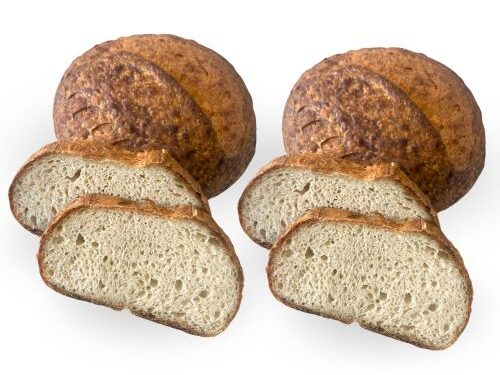
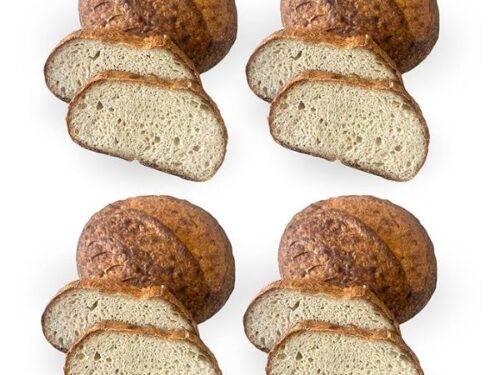
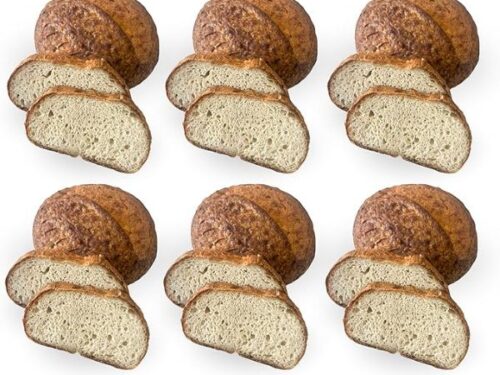
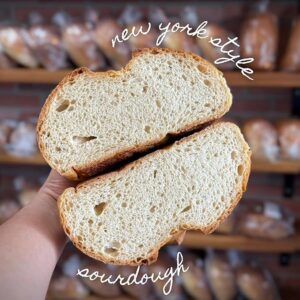
- The “Crumb” Check: Look at the holes in your slice. That “open crumb” is the mark of a living bread that was allowed to breathe and rise naturally.
Is Sourdough Bread Healthy
Sourdough bread is often considered a healthier option compared to regular bread due to its natural fermentation process. The beneficial bacteria help break down certain components of the flour, which may improve digestion. Sourdough bread also has a lower glycemic index compared to many traditional breads, making it a better option for people looking to manage blood sugar levels.
However, traditional sourdough bread can still be high in carbohydrates, which may not suit low carb or keto diets.
Is Sourdough Bread Good for Keto or Diabetes?
The bread is often considered a better option than regular bread due to its natural fermentation process, which can help lower its glycemic impact. Compared to standard white bread, sourdough bread may cause a slower rise in blood sugar levels, making it a slightly better choice for people managing diabetes.
However, it’s important to understand that traditional sourdough bread is still relatively high in carbohydrates. Even though fermentation improves digestion and nutrient absorption, it does not significantly reduce the total carb content. For individuals following a strict keto diet or those needing tight blood sugar control, regular sourdough loaf may not be suitable in larger portions.
This is where low carb sourdough bread becomes a better alternative. By reducing net carbohydrates and increasing fiber and protein, low carb sourdough bread offers the same familiar taste and texture while being more aligned with keto and diabetic-friendly diets.
When choosing sourdough loaf for keto or diabetes, consider the following:
- Net carbs per serving: Look for options with lower net carbs
- Fiber content: Higher fiber can help reduce blood sugar spikes
- Ingredients: Avoid added sugars and refined flours
- Protein content: Helps improve satiety and blood sugar stability
Low carb sourdough bread allows you to enjoy the traditional flavor of sourdough bread while supporting better blood sugar management and overall dietary goals.
Low Carb Avenue’s Sourdough bread:
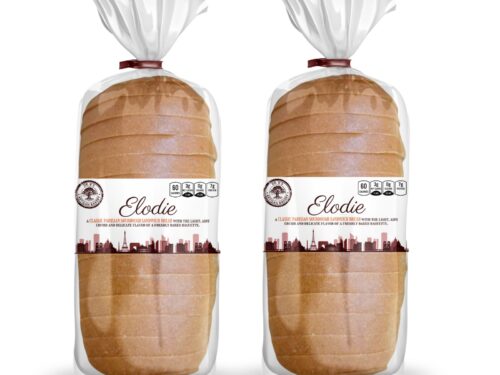
Our sourdough loaf is designed for those who seek the true essence of sourdough with a nutritious twist, it delivers a mild tang and a satisfyingly chewy crust that balances flavor in every bite. Crafted from a single type of flour and packed with plant-based protein, our sourdough bread is free from nuts, soy, sugar, and cholesterol, making it an ideal choice for vegan diets. With low calories and sodium, it fits seamlessly into keto or low-carb lifestyles. Whether toasted, topped, or enjoyed on its own, it offers a wholesome, flavorful experience that aligns with your health-conscious lifestyle, delivering the authentic taste of New York sourdough in every bite.
Key Benefits of Low Carb Avenue Sourdough Bread:
Low carb focus:
The primary difference is its significantly lower carbohydrate count compared to regular sourdough bread, allowing people on low-carb diets to still enjoy sourdough flavor.
High quality ingredients:
They claim to use clean label ingredients, often emphasizing non-GMO and high-fiber flour sources to maintain nutritional value while keeping carbs low.
Authentic taste:
Despite being low-carb, Low Carb Avenue aims to replicate the classic sourdough taste and texture, providing a familiar eating experience.
Is sourdough bread gluten free?
No, sourdough bread is not completely gluten free, but fermentation may make it easier to digest for some people.
How many carbs are in sourdough bread?
Traditional sourdough bread typically contains a high amount of carbohydrates per slice. However, LowCarb Avenue’s sourdough bread options can contain as little as 3g net carbs per slice, making them more suitable for keto and low-carb diets.
Is sourdough bread good for weight loss?
Sourdough bread can be more filling and satisfying, which may help with portion control.
Does sourdough bread spike blood sugar?
Sourdough bread generally has a lower glycemic index than regular bread, but portion size still matters.
What makes LowCarb Avenue’s sourdough bread different?
LowCarb Avenue’s sourdough bread is designed to provide the same flavor and texture as traditional sourdough bread while significantly reducing carbohydrate content. It often includes high fiber and plant-based protein, making it suitable for keto and diabetic-friendly diets.