

If you’ve spent any time reading nutrition labels recently, you’ve likely seen products labeled as “keto” or “keto friendly.” These products are designed to be lower in carbohydrates than traditional foods, but what does that actually mean? To understand that, it first helps to understand a few concepts about how the body uses energy.

Under normal conditions, your body uses glucose (sugar derived from carbohydrates) as its primary source of energy. When carbohydrate intake is very low, the body switches to using fat for fuel. As fat is broken down in the liver, it produces molecules called ketones.
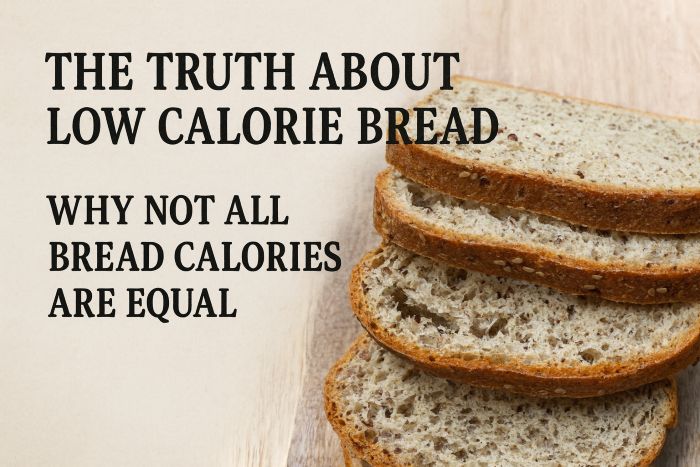
There is no official regulatory definition for “keto-friendly bread.” In practice, it has fewer digestible carbohydrates than traditional bread. This product primarily targets individuals who are intentionally lowering their carbohydrate intake while still consuming a slice of bread.
Bread makers typically achieve this by:
Traditional bread is typically made from wheat flour, which is high in starch and quickly breaks down into glucose. This is used as your primary source of energy normally. However, keto bread relies on alternative ingredients to reduce the amount of digestible carbohydrates. As a result, keto breads often have a denser texture and may taste slightly different from conventional breads. They may toast more quickly or feel more filling per slice due to the higher fiber and fat content.
Products like Low Carb Avenue’s keto bread are formulated to have relatively low digestible carbohydrate content per slice compared to standard wheat breads. This allows people to include bread-like foods while keeping overall carbohydrate intake lower.
For many people, keto bread provides a way to enjoy familiar formats (toast, sandwiches, etc.) without as large a carbohydrate “load.” When eaten alongside protein, fat, and vegetables, it can be part of a meal that helps with satiety and energy stability.
However, there are a few effects to be aware of:
Digestive effects: Keto breads often contain higher amounts of fiber and sometimes sugar alcohols or resistant starches, which can cause gas or bloating in people who are not used to them. This is usually temporary and can be minimized by increasing fiber intake gradually.
Glycemic response: Even if net carbs are low on paper, individual responses to carbohydrates can vary. Some people may find that certain products still raise their blood glucose more than expected. Paying attention to how your body responds after meals is useful.
Many keto breads list “net carbs,” which are calculated by subtracting fiber from total carbohydrates, based on the idea that fiber is not fully digested or absorbed as glucose. While this calculation can be useful for people monitoring carbohydrate intake, it’s important to remember that individual digestion varies. Two people eating the same slice of bread may experience different blood sugar responses, even if the net carb number is identical.
It could be. As always, consult with your doctor or dietitian if you have specific health questions, this may be a good option if you are interested in:
Keto friendly bread is a product category that aims to offer lower carbohydrate options for people who want to reduce their carbohydrate intake. It works by using ingredients that lower digestible carbohydrates and increase fiber content. Ketones are simply an alternative energy source the body can use when carbohydrate intake is low, and nutritional ketosis is a normal metabolic state distinct from medical conditions like diabetic ketoacidosis.
Products like Low Carb Avenue’s keto bread can help people enjoy bread-like meals as part of a lower carbohydrate pattern, but individual responses vary and broader dietary context matters. For most healthy adults, including keto friendly bread occasionally or regularly is simply one option among many when shaping a carbohydrate intake pattern that feels right for you.