Multigrain Bread: A Guide to Flavor, Nutrition, and Low-Carb Choices
Multigrain bread brings variety to everyday meals, from the first slice of morning toast to a sandwich packed for lunch. Its appeal goes beyond a rustic appearance. Different…

Multigrain bread brings variety to everyday meals, from the first slice of morning toast to a sandwich packed for lunch. Its appeal goes beyond a rustic appearance. Different grain combinations can create distinctive flavors and textures, giving a simple meal more character without requiring complicated preparation.
However, choosing a loaf takes more than reading the name on the package. Multigrain bread is not automatically whole grain, low carb, or high in protein. Understanding these differences helps you find bread that suits your preferences and the way you eat. This guide explains what to look for, how to compare options, and easy ways to enjoy every slice.
What Is Multigrain Bread?
Multigrain bread is made with more than one type of grain. Depending on the recipe, a loaf might include wheat, oats, rye, barley, or other grains. Some varieties also contain seeds, which add their own texture and flavor.
The name describes the variety of grains rather than a specific nutritional profile. Two loaves labeled multigrain can have different ingredients, serving sizes, and carbohydrate amounts. One may have a soft, mild crumb, while another offers a firmer texture and a more pronounced grain flavor.
For shoppers, this means the front of the package is only a starting point. The ingredient list and Nutrition Facts panel provide the details needed to compare products meaningfully. The Whole Grains Council
Multigrain Bread vs. Whole Grain Bread
Multigrain and whole grain describe different characteristics. It refers to the number of grain types used. Whole grain refers to grains that retain the bran, germ, and endosperm in their original proportions.
A multigrain loaf can contain whole grains, refined grains, or a combination. Whole wheat bread, meanwhile, can be made with a single grain and still qualify as whole grain. Neither the number of grains nor the color of the loaf tells you the complete story.
If whole grain content matters to you, look for clearly identified whole grain ingredients and specific package statements. If your priority is reducing carbohydrates, compare carbohydrate information separately. These are different shopping goals, and one label does not automatically answer both questions.
How to Compare Multigrain Bread Labels
Start With the Serving Size
Before comparing numbers, check how much bread each serving contains. A serving may be one slice or two, and slice weights can vary between brands. Comparing a small slice with a much larger slice can make the numbers misleading.
Think about your usual meal as well. If you make a sandwich with two slices, calculate the nutrition for both slices rather than relying on the single-slice values. This simple habit makes label information more useful in everyday eating.
Read the Carbohydrate Information
Do not assume a multigrain loaf is low carb because it contains several grains or has a seeded crust. Check total carbohydrates, dietary fiber, and any separately stated net carbohydrate figure.
When a brand advertises net carbs, read its explanation of how that figure is calculated. Keep the total carbohydrate amount in view too. The most useful comparison is one based on matching portions and clearly explained numbers, rather than a large claim on the front of the package.
Compare Protein and Sugar
Protein content differs between breads, so check the stated grams per serving if you are looking for a higher-protein option. Also review total sugars and added sugars rather than assuming a savory loaf contains none.
Consider the bread alongside your fillings and toppings. A slice with eggs, tofu, hummus, or another protein source creates a different meal from the same slice served with jam. Choosing bread is one part of planning the whole plate.
Check Ingredients and Allergens
Read the ingredient list for grains, seeds, sweeteners, and ingredients you need to avoid. Multigrain does not mean gluten-free, and a vegan label does not identify every possible allergen.
If you have a food allergy or require a gluten-free diet, rely on the product’s specific allergen information and relevant labeling. A product name or photograph cannot substitute for those details.
Can Multigrain Bread Fit a Low-Carb Lifestyle?
A multigrain loaf can fit a low-carb eating plan when its actual carbohydrate content and your chosen portion fit your targets. The grain count alone cannot determine that.
Start with the meal you want to make. For an open-faced sandwich, calculate one slice plus the toppings. For a traditional sandwich, include two slices and every filling. Sauces, spreads, and accompaniments also belong in the calculation.
Taste matters here. Choose a loaf you enjoy with your usual foods, rather than selecting only by its headline number. Bread that works well for breakfast, lunch, and a quick snack is easier to use consistently and less likely to sit forgotten in the freezer.
Easy Ways to Enjoy Multigrain Bread
A Savory Breakfast Toast
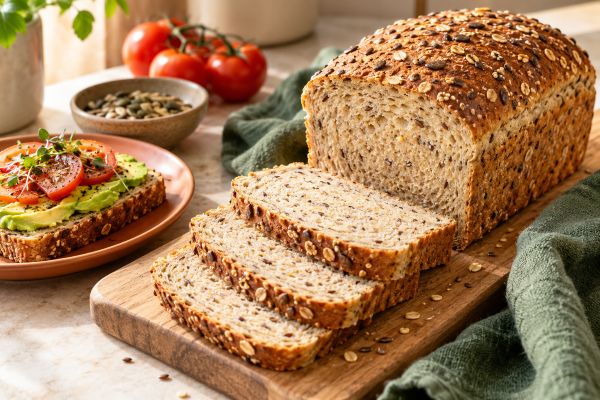
Toast a slice and top it with avocado, sliced tomato, and cracked pepper. Add an egg or seasoned tofu if you want a more substantial breakfast. Adjust the toppings to your taste and meal plan.
A Fresh Lunch Sandwich
Layer your preferred protein with lettuce, cucumber, and a little mustard. A mild loaf lets the fillings stand out, while a seeded or seasoned variety adds extra character. Dry washed vegetables before assembling to help prevent soggy bread.
A Warm, Simple Dinner Side
Serve toasted bread alongside soup, a salad, or roasted vegetables. A small amount of olive oil and herbs makes an easy savory topping. Choose the portion according to the rest of your meal.
A Quick Open-Faced Snack
Try hummus with cucumber, cottage cheese with tomato, or an unsweetened nut butter if it suits your dietary needs. Open-faced combinations let you change flavors without making a full sandwich every time.
Choosing a Flavor You Will Use
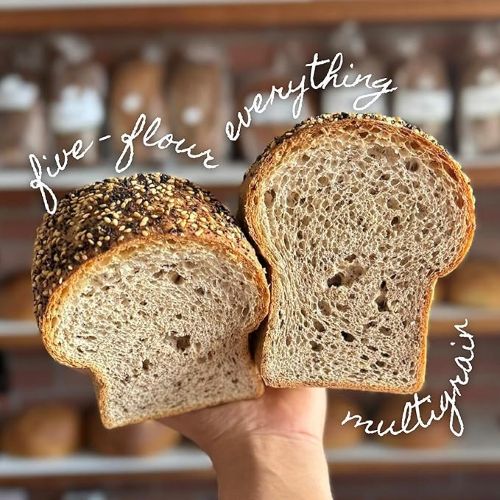
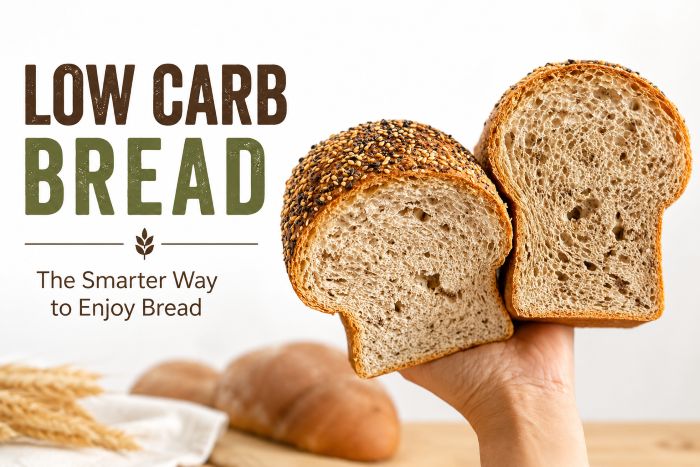
Plain bread is a versatile choice when you switch between sweet and savory toppings. Sesame varieties bring a distinctive seeded flavor, while everything-seasoned bread suits savory sandwiches and breakfast toast.
Think about how often you eat bread before choosing a pack size. A larger pack is useful only if you can store and use it appropriately. Follow the manufacturer’s storage instructions, and portion bread before freezing when the product guidance recommends it. Keeping slices accessible can make everyday meal preparation easier.
Conclusion: Find Multigrain Bread That Fits Your Table
The right multigrain bread combines a flavor you enjoy with nutrition information that matches your needs. Look beyond the product name, compare equal serving sizes, and consider how each loaf works in the meals you already make.
For a low-carb option, explore Low Carb Avenue’s WILBUR multigrain range. Current listings show 1g net carbs, 7g protein, and 0g sugar per slice, with Plain, Sesame, and Everything varieties available. These choices give you different ways to build breakfast toast, sandwiches, and simple sides around familiar foods. LowCarb Avenue
Shop Low Carb Avenue’s multigrain bread collection and choose the flavor and pack size that suit your routine.